Charging & power · Compatibility
Can a 65W USB-C Charger Power My Laptop? Wattage, USB-PD and Cable Compatibility
Determine whether a 65W USB-C charger can power a laptop by checking Power Delivery profiles, wattage, port support and cable rating.
In this guide · Jump to a section
Quick answer: A 65W USB-C charger can power many compatible laptops that support USB Power Delivery and require 65W or less. Connector shape alone is not enough: the charger must offer a voltage profile the laptop accepts, and the cable must support the required power.
Check the original adapter label and the laptop's charging specification. Some USB-C ports support data or video but not charging, and a low-power phone charger may not operate a laptop.

What to compare
| Specification | Where to find it | Required match |
|---|---|---|
| Input wattage | Original charger or manual | Meet normal requirement |
| USB-PD | Laptop and charger specs | Both sides must support it |
| Voltage profiles | Charger output label | Laptop must accept one |
| Cable rating | Cable specification | Carry negotiated power |
How USB-PD works
A compliant charger advertises supported voltage and current profiles, and the laptop requests one it can accept. This is why a suitable higher-watt charger can often power a lower-watt device. Compatibility still depends on the actual laptop implementation and cable.

Signs of underpowered charging
The laptop may display a slow-charger warning, charge only while asleep or lose battery percentage during heavy work. Use the wattage recommended for normal performance and inspect plugs for looseness or unusual heat.
Shop USB-C chargers
FAQs
Can 65W replace 45W?
Often yes with compatible USB-PD profiles, but verify both specifications.
Can 45W charge a 65W laptop?
It may be slow or fail to keep up under load.
Does every USB-C cable support 65W?
No. Use a cable rated for the required charging level.
Products linked in this guide
-
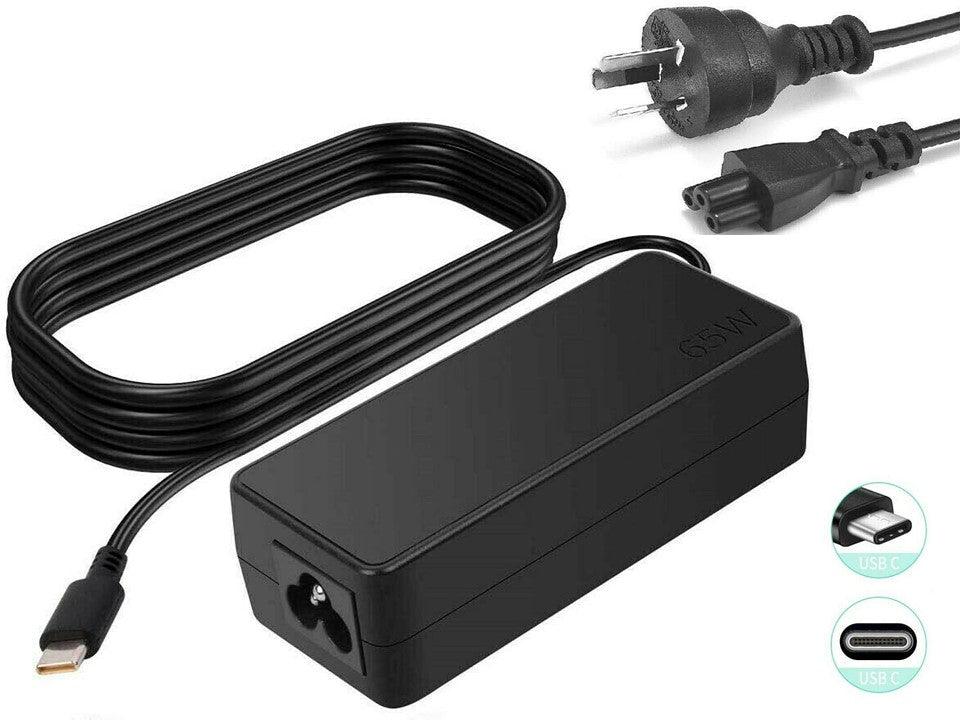
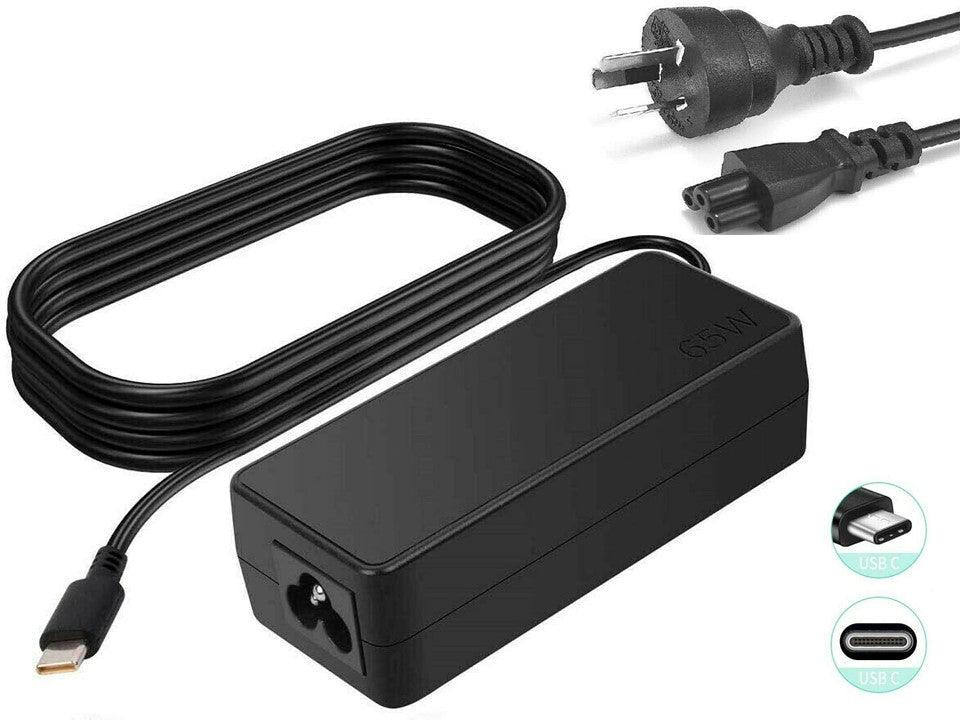
65W USB-C Laptop Charger for Lenovo Yoga, ThinkPad T480, X1 Carbon, Yoga C930-13, S730-13, Chromebook $34.98 AUD · Sold out View current product details
-
87W USB-C AC Charger Compatible for 15" A1707 MacBook Pro With Thunderbolt 3 Type C $39.95 AUD View current product details
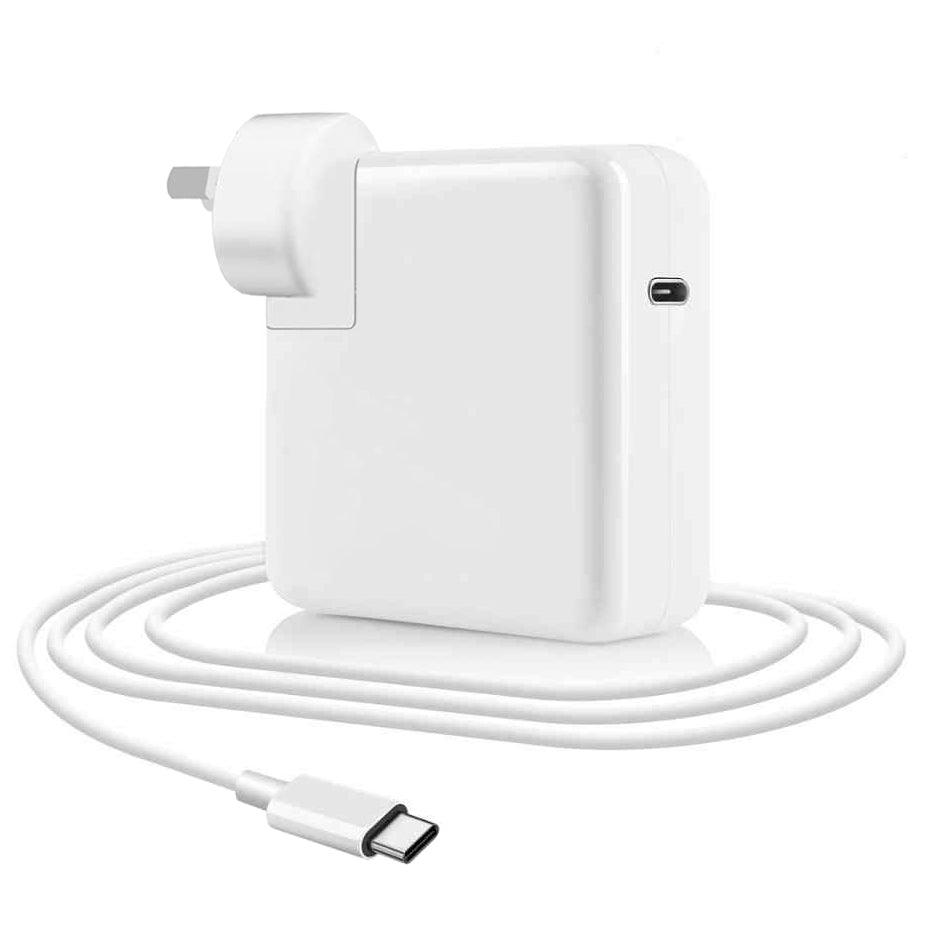
Check the product page for current specifications, compatibility and availability.