Batteries & cameras · Care & ideas
How Long Should a Dyson Battery Last? Seven Signs It Is Time to Replace It
Recognise signs of Dyson battery wear and separate normal maximum-mode drain from a failing pack, blocked filter or charger problem.
In this guide · Jump to a section
Quick answer: Dyson battery life varies with age, heat, charging history, attachment and power mode. Replacement may be appropriate when normal-mode runtime has fallen sharply, the vacuum shuts down under ordinary load, charging is unreliable or the pack is physically damaged—after airflow and filter problems have been ruled out.

Seven signs to investigate
- Runtime is much shorter on the same normal-mode test.
- The vacuum stops when a motorised head starts.
- The pack does not complete a charge.
- Charging is intermittent despite a sound outlet and connector.
- The pack becomes unusually hot.
- The casing is swollen, cracked or damaged.
- Model-specific error lights persist after cleaning and reset checks.
Compare like with like
Maximum-power mode consumes energy much faster than normal mode. Test with the same attachment on the same surface and compare with the vacuum's previous performance. Dense carpet and a motorised head place more load on the battery than a crevice tool.

Check airflow first
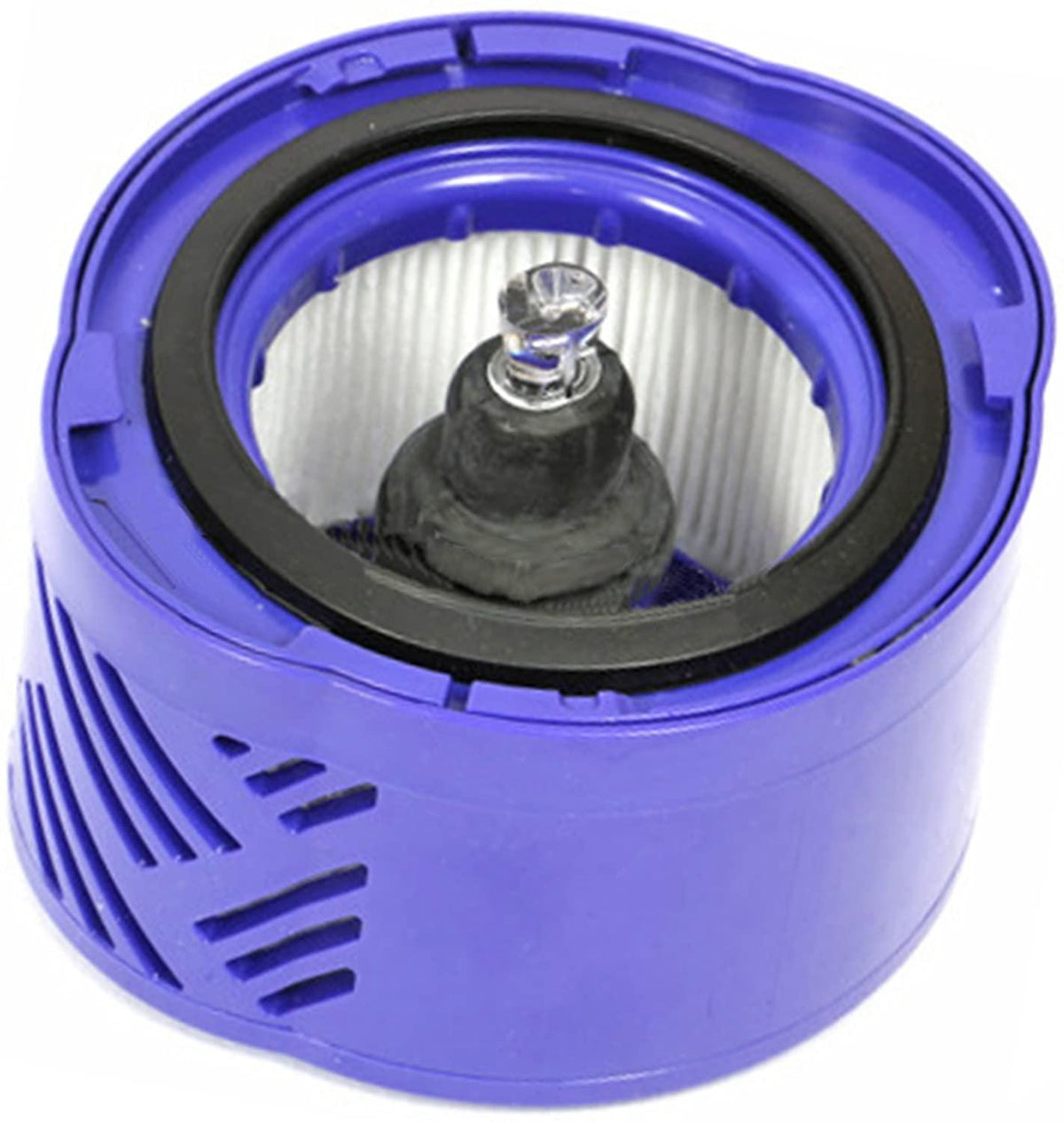
A blocked head, wrapped brush bar or dirty filter makes the motor work harder and can cause early shutdown. Clean the bin and airway and allow washed filters to dry completely. Test attachments separately to identify excessive mechanical load.
Physical damage means stop
Do not use or charge a swollen, cracked, leaking, wet or abnormally hot pack. Do not puncture or dismantle it. Arrange appropriate battery recycling or professional assessment.
Shop model-specific batteries
FAQs
Can a dirty filter look like a bad battery?
Yes. Restricted airflow can cause pulsing, heat and early shutdown.
Why does it stop only on maximum mode?
That mode applies the greatest load and can expose battery wear.
Should I buy the highest claimed capacity?
Compatibility, build quality and truthful specifications matter more than an unverified number.
Products linked in this guide
-
Dyson V10 / Absolute / Cyclone / 206340 / 969352-02 / SV12 Cordless Vacuum Replacement Battery $69.95 AUD View current product details
-
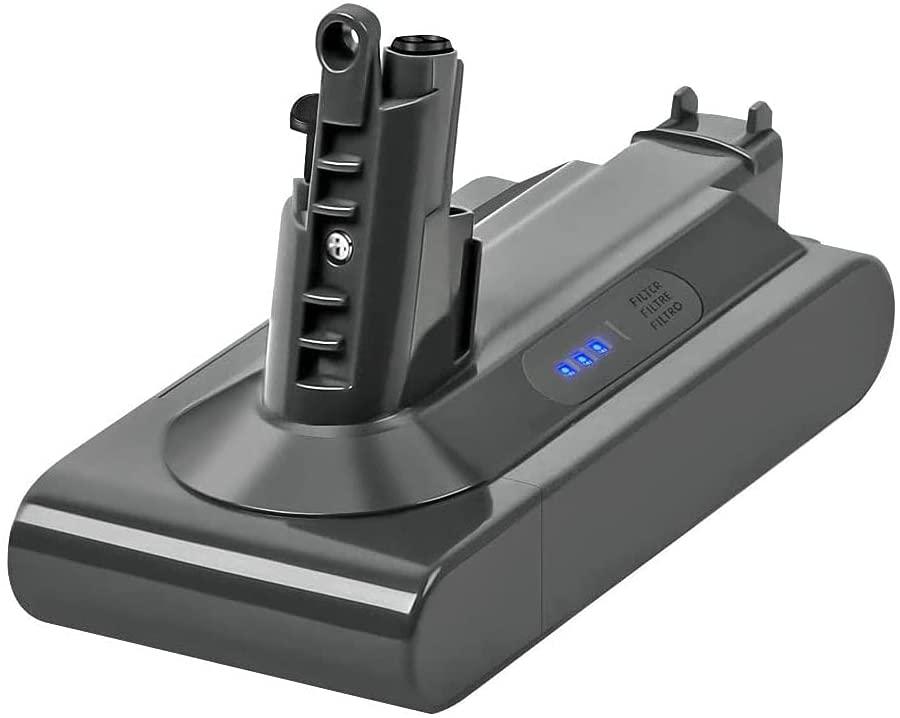
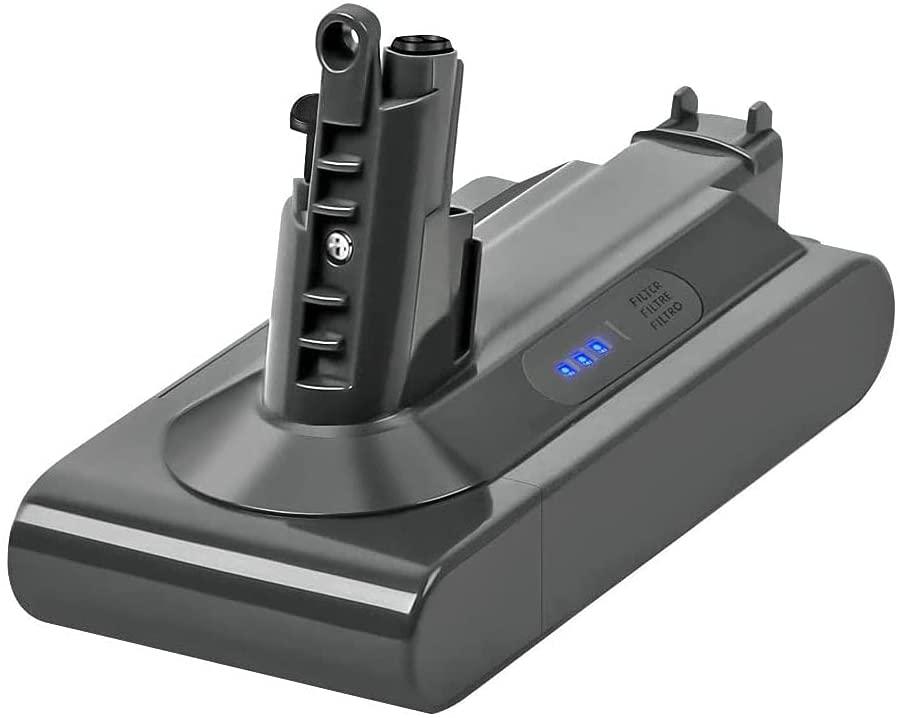
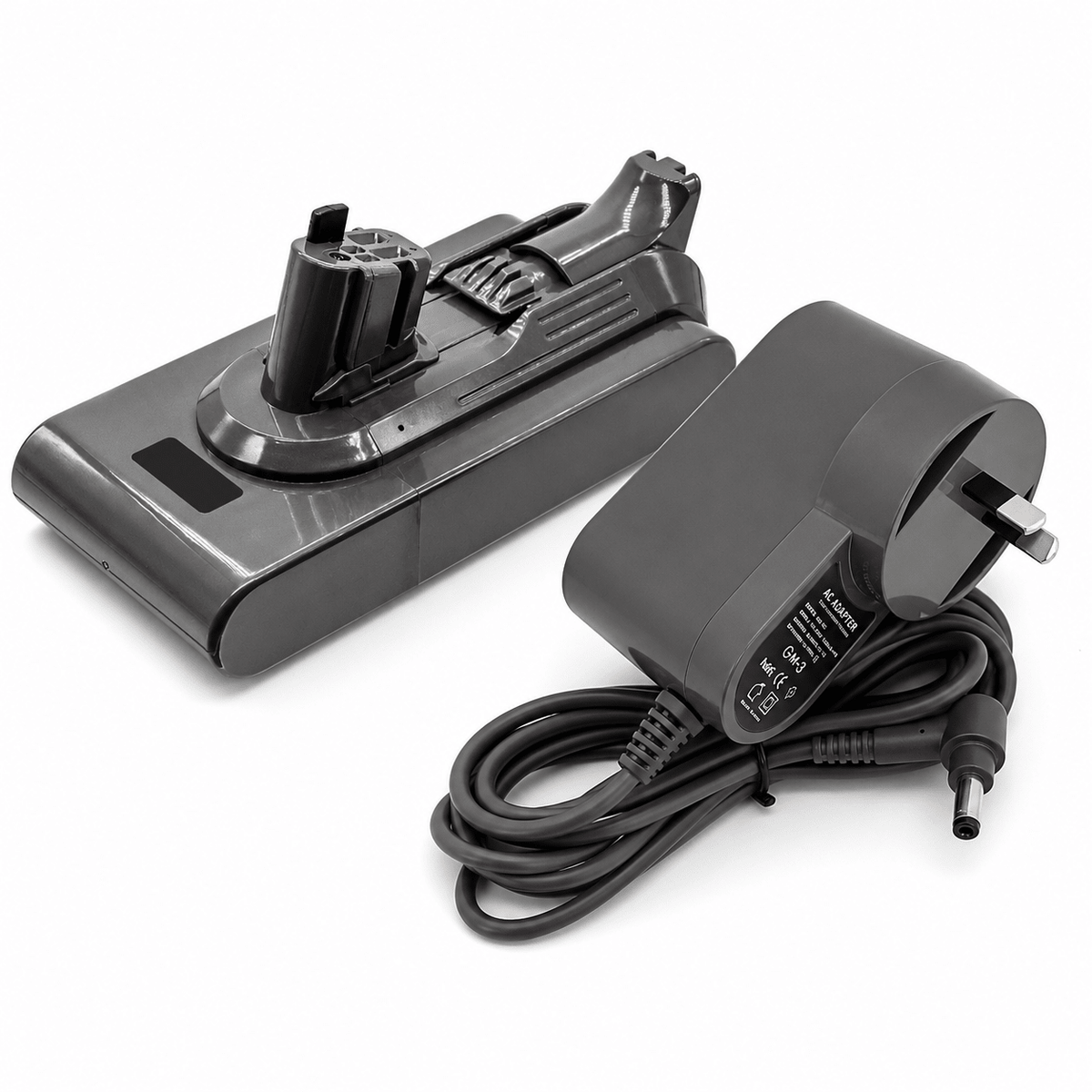
Dyson V11 Click-in Compatible Battery & Charger – Fast Charging Click-In Power Set for Outsize, SV16, V15 Detect $149.99 AUD · Sold out View current product details
-
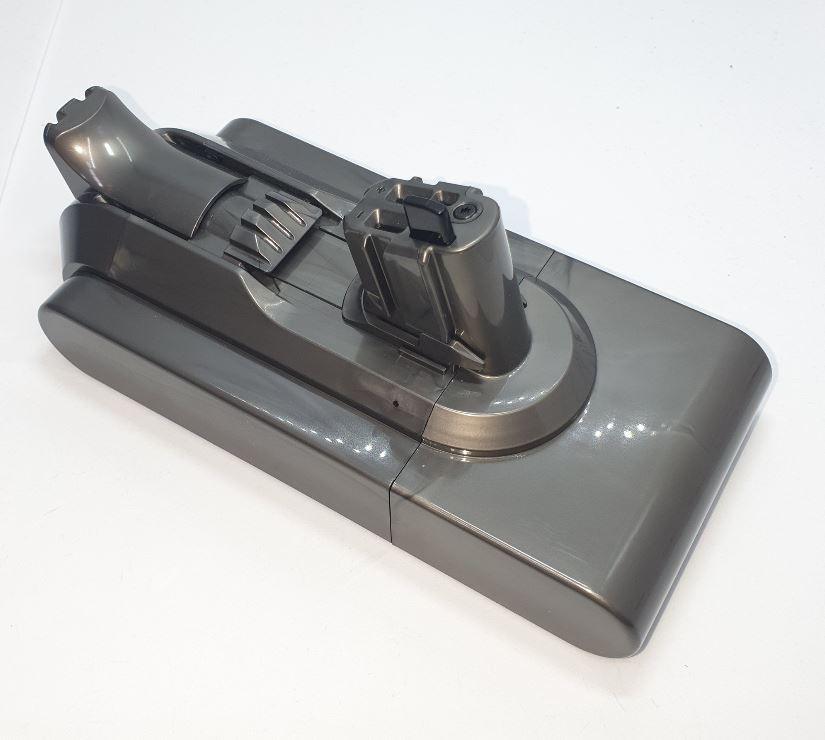
Dyson V11 Outsize V15 / Outsize Absolute+ Replacement Battery (Click-in Battery) $119.95 AUD View current product details
Check the product page for current specifications, compatibility and availability.