Batteries & cameras · Compatibility
18650 Battery Buying Guide: Button Top vs Flat Top, Protected vs Unprotected and Capacity Explained
Choose an 18650 rechargeable cell by checking dimensions, terminal style, protection circuit, voltage and discharge requirements.
In this guide · Jump to a section
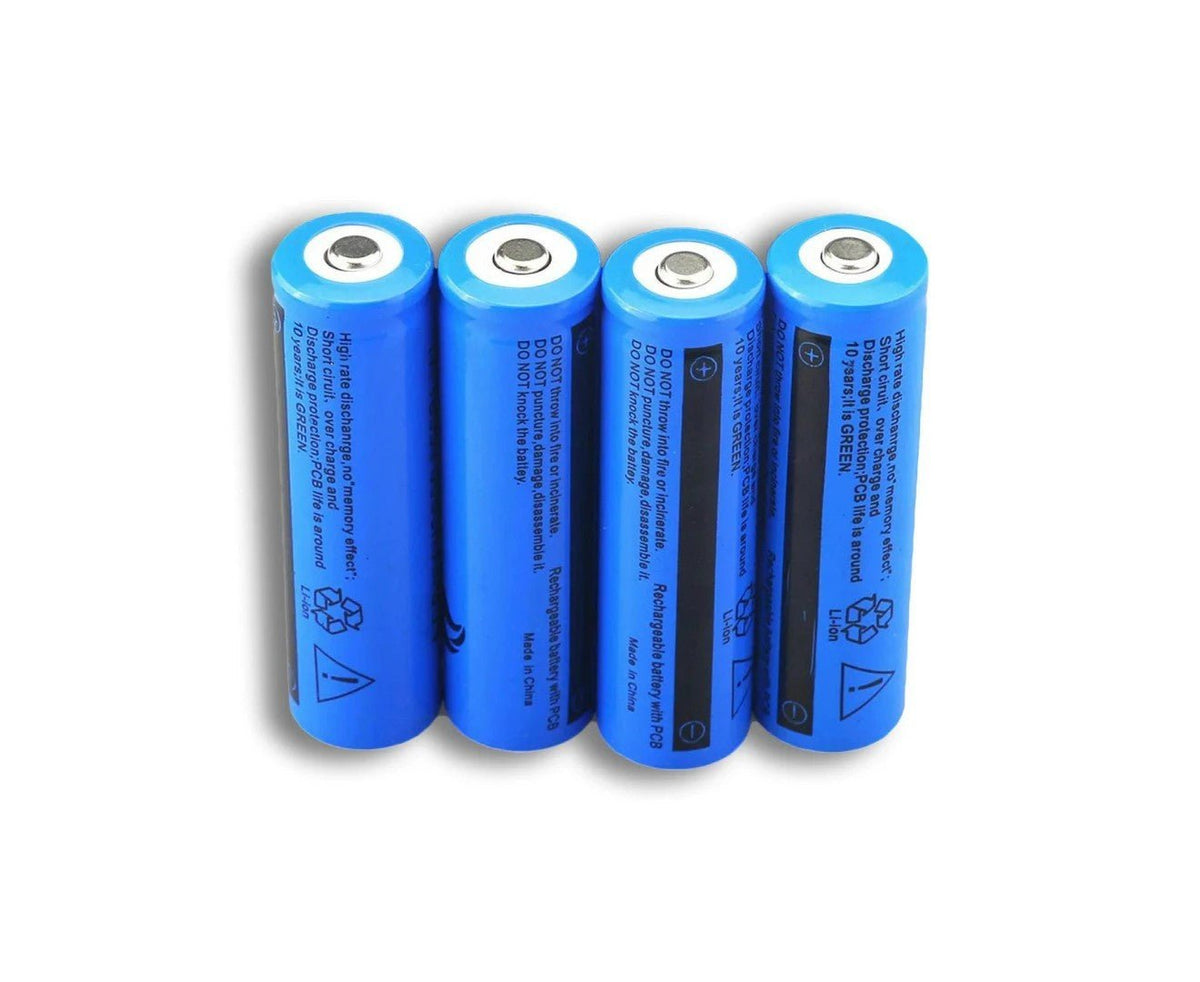
Quick answer: An 18650 cell must match more than the name “18650”. Check nominal voltage, physical length, button-top or flat-top terminal, protected or unprotected construction, discharge requirement and the device manufacturer's instructions.
Protected and button-top cells can be longer than basic flat-top cells, so they may not fit the same compartment. Measure the original cell and inspect both terminals without shorting them.

Key terms
| Term | Meaning | Why it matters |
|---|---|---|
| Button top | Raised positive terminal | Required by some holders |
| Flat top | Nearly flush positive terminal | Common in packs and some torches |
| Protected | Added protection circuit | Usually increases length |
| Capacity | Stored charge in mAh | Does not alone define power capability |
Voltage, capacity and discharge
Most rechargeable lithium-ion 18650 cells have a nominal voltage around 3.6–3.7V, but the device and charger specifications are the authority. Capacity describes stored charge; discharge rating describes how much current the cell can deliver safely. High-drain devices can require specialised cells.

Safe handling
Never use a cell with a torn wrapper, dent, corrosion or swelling. Do not mix cells of different age, capacity, chemistry or charge state in a multi-cell device unless the manufacturer permits it. Keep loose cells in individual cases so keys, coins and tools cannot bridge the terminals.
Shop cylindrical batteries
FAQs
Can a button top replace a flat top?
Only if the device accepts the extra length and contact arrangement.
Is higher mAh always better?
No. Fit, discharge capability, protection and reliable specifications also matter.
Can I use any universal charger?
No. Use a charger that explicitly supports the cell and chemistry.
Never carry loose lithium-ion cells or attempt to rebuild a battery pack without appropriate expertise.
Products linked in this guide
-
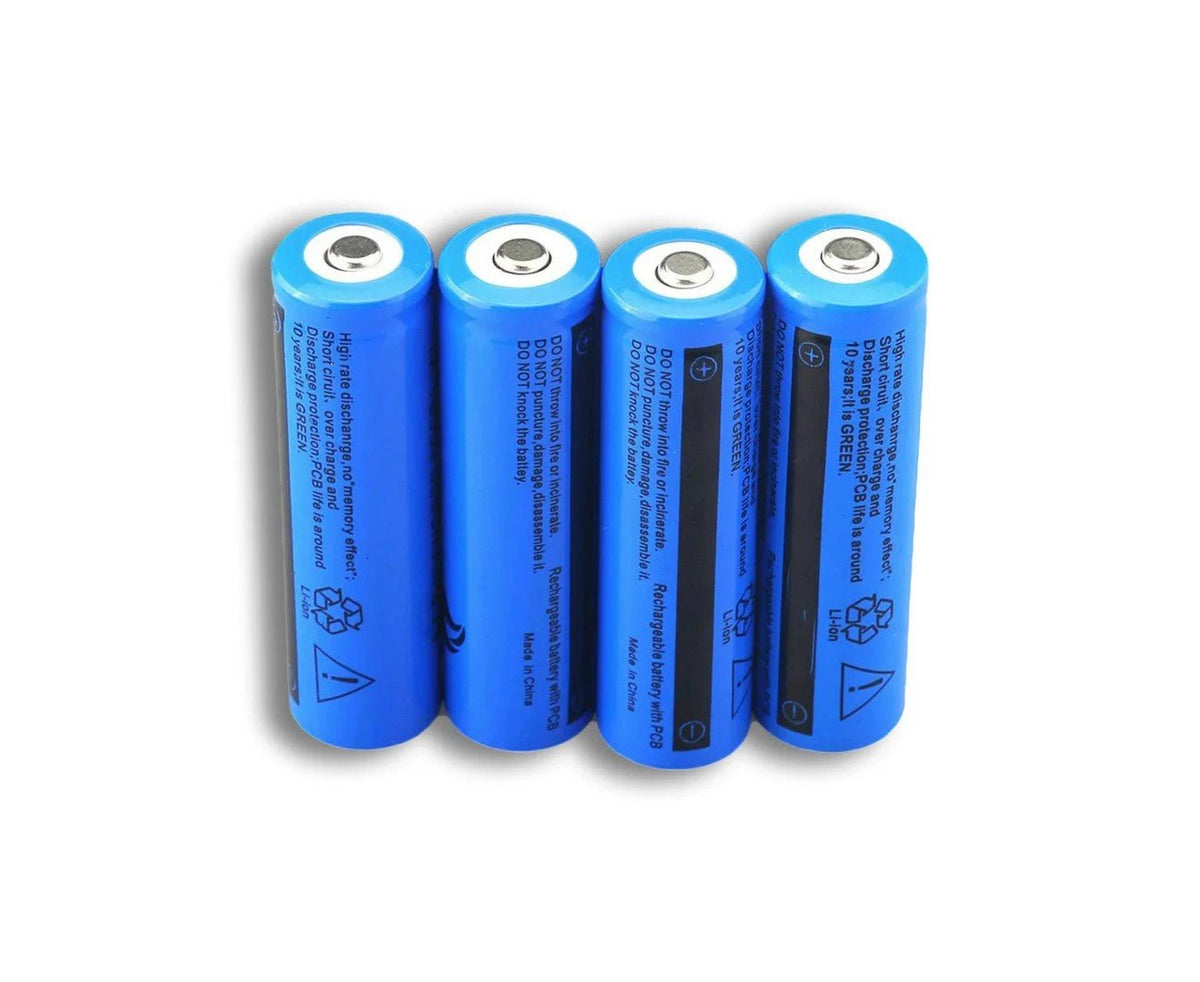
(4 Pack) [HIgh Capacity] 18650 3.7V 3600mAh High Output Li-ion Rechargeable Battery $45.95 AUD · Sold out View current product details
-
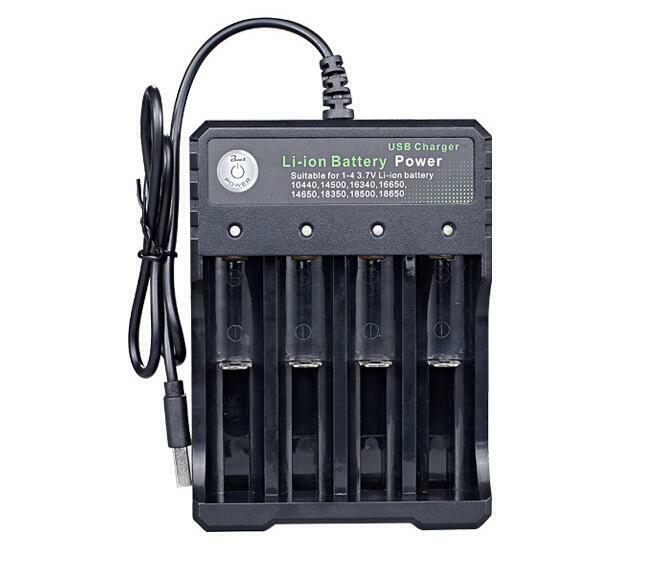
18650 USB Battery Charger Li-ion Batteries Power 1-4 Slots Independent Charging $24.98 AUD View current product details
Check the product page for current specifications, compatibility and availability.