Charging & power · Compatibility
Ryobi ONE+ 18V Compatible Battery Buying Guide Australia
Match a Ryobi battery by voltage, codes and charger. Compare 18V ONE+ options with separate 36V and 40V systems.
In this guide · Jump to a section
Choosing a Ryobi replacement battery starts with the platform, not the capacity. A battery can have an appealing Ah number yet still be wrong for the tool or charger. The label on your old pack is the quickest place to begin.
This guide sorts the 18V ONE+ options from the separate 36V and 40V range. It explains which codes to record, how capacity affects use, and why a charger match matters. Use the product label and your tool manual for the final fit decision.
Start with voltage and the battery label
Find the voltage printed on the tool, old battery and charger. Keep all three in the same voltage family. An 18V ONE+ battery belongs with an 18V ONE+ tool. A 36V or 40V pack belongs to the higher-voltage system instead.
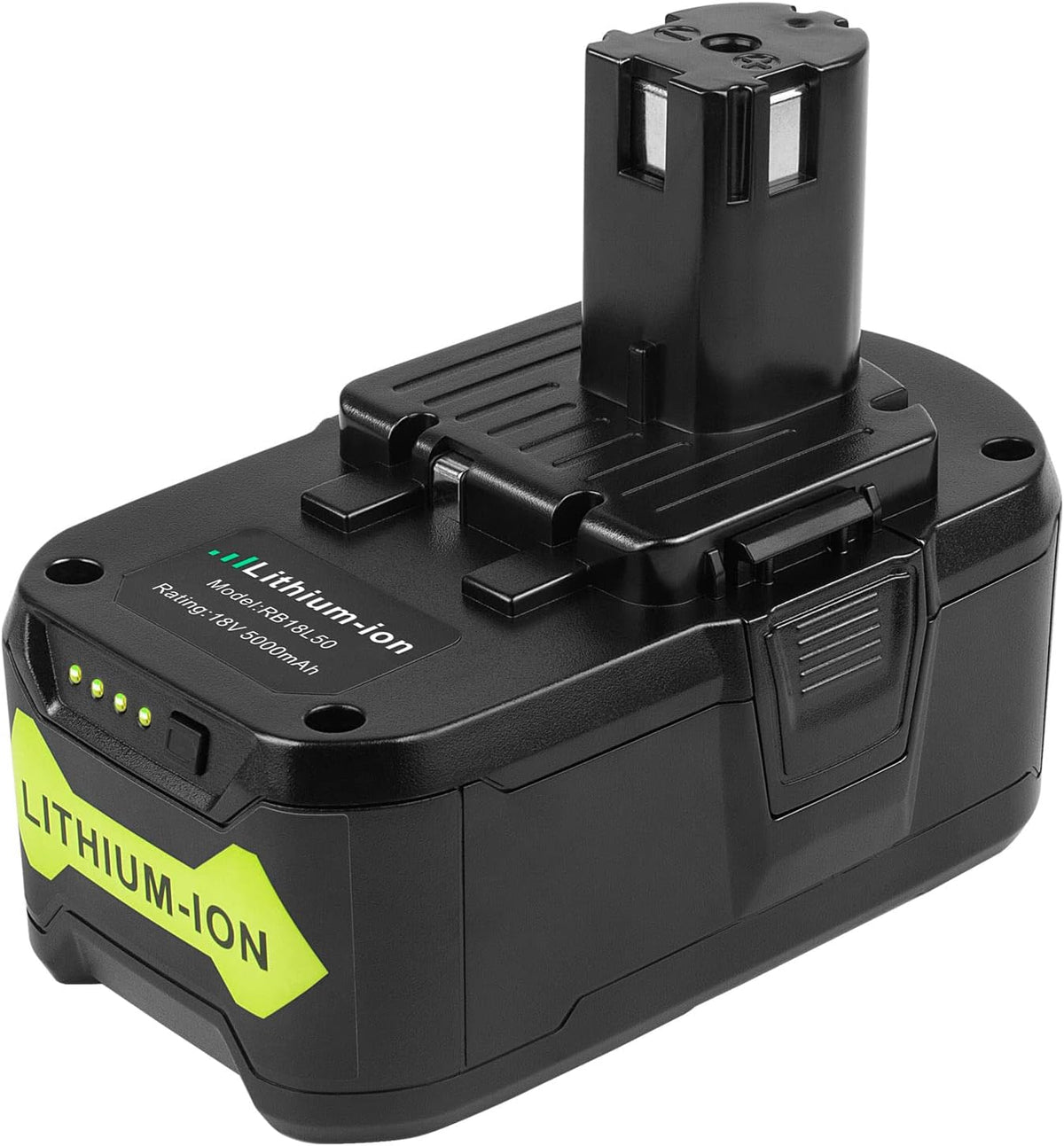
Next, copy every model or replacement code. Examples in this range include P102, P104, P105, P107, P108, RB18L50 and BPL-1815. A code is more useful than a tool colour or a broad family name. Compare it against the listing before you buy.
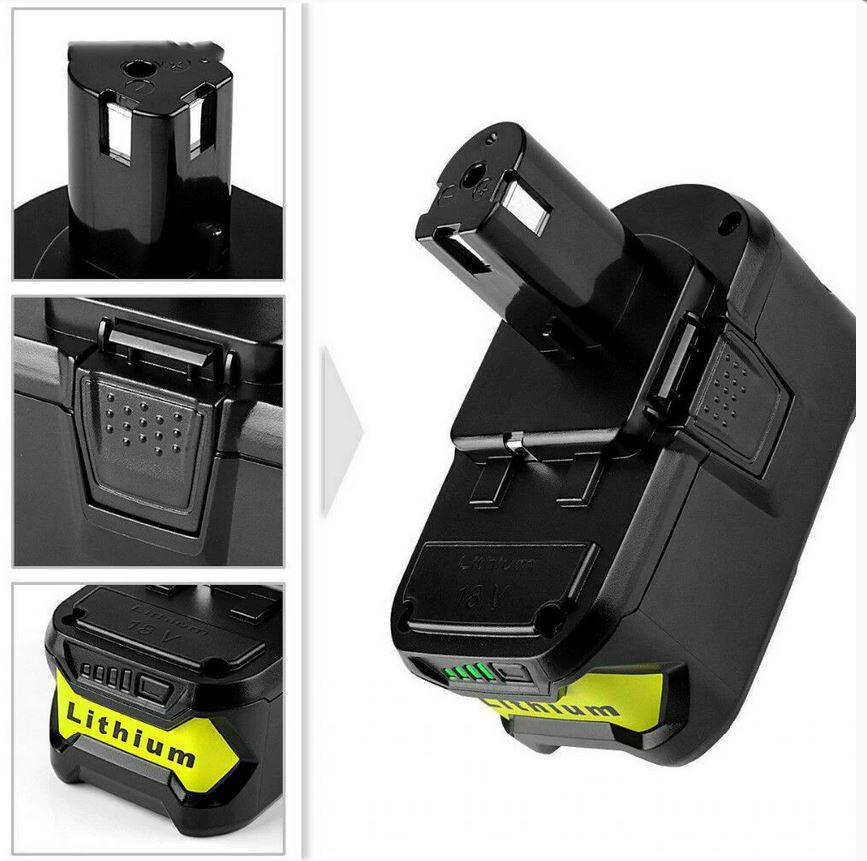
Inspect the slide rails, terminals and locking shape as well. They should match the old pack without force. Do not modify a battery case or terminals to make a pack fit. If the old label is worn, find the model number on the tool body first.
Ryobi battery code and voltage cross-reference
This table is a quick sorting tool. It groups only the codes and ratings shown in the relevant listings. It does not turn a listed code into a guarantee for every tool, so use it with the labels on your equipment.
| System shown | Example codes shown | What to compare |
|---|---|---|
| 18V ONE+ | P102, P104, P105, P107, P108 | 18V label and slide connection |
| 18V ONE+ | RB18L50, RB18L40, BPL-1815 | Exact replacement code and fit |
| 36V / 40V | BPL3626, BPL3626D | Battery and charger voltage |
| 36V / 40V | BPL3640, BPL3640D, BPL3640D2 | Exact code and charger listing |
Some listing titles use both 36V and 40V wording. That is a reason to slow down, not a reason to guess. Read the replacement codes and charging details on the specific product before adding it to the cart.
Choose capacity for the way you work
Voltage tells you the system. Amp-hours tell you the stated capacity. Within the same compatible 18V platform, a 10.0Ah pack has a higher stated capacity than a 6.0Ah pack. That may suit longer tasks between charge breaks.
A larger pack can also change how the tool handles. For light work, a smaller or single pack may be easier to manage. For repeated cutting, drilling or outdoor jobs, a spare pack can keep the tool available while another pack charges.
Look at pack count too. A two-pack or four-pack can suit households with several compatible tools. It is not automatically the best choice for every buyer. Check that each battery will be stored dry, protected from damage, and used often enough to justify the set.
Match the charger before you connect
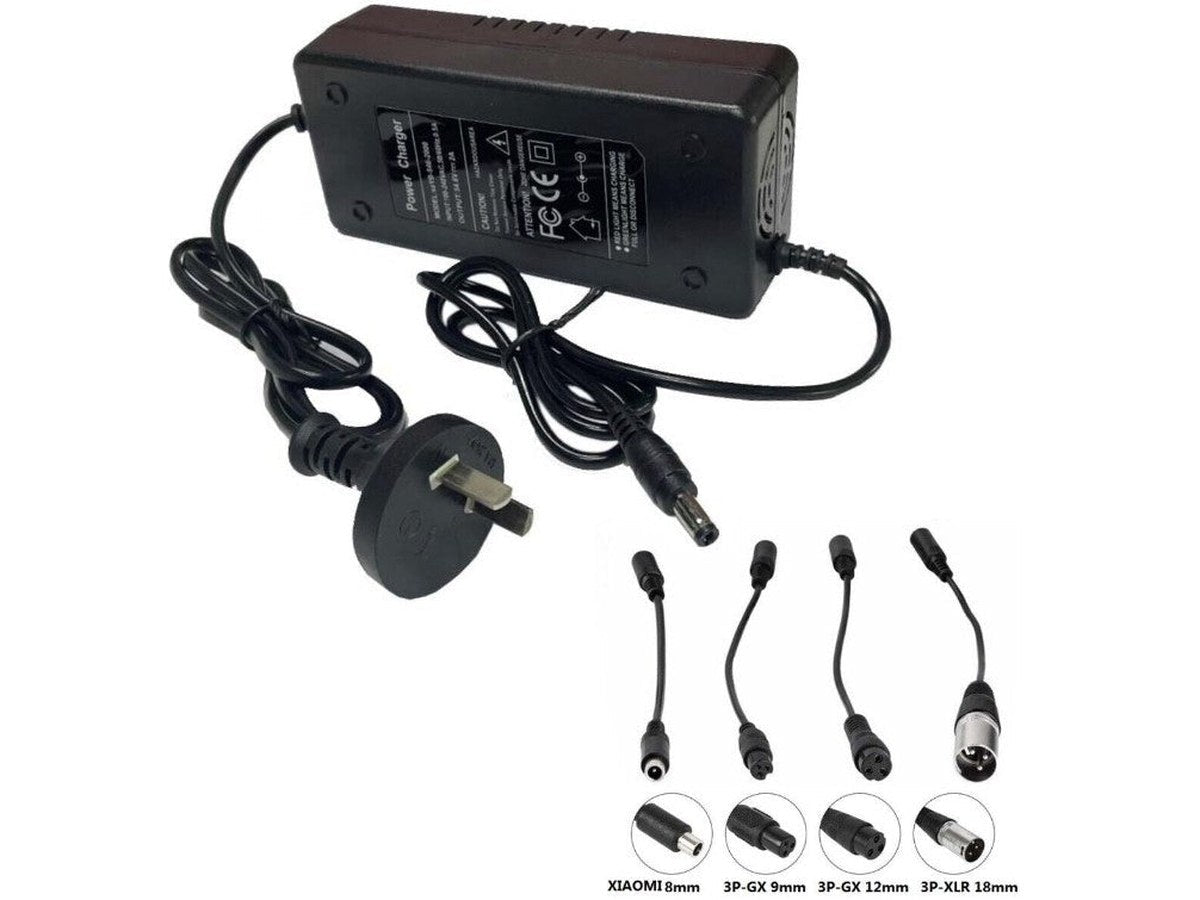
Use a charger made for the battery system and chemistry stated on the labels. The dual-port charger in this range is listed for 12V to 18V Ryobi models and supports lithium-ion, Ni-MH and Ni-Cd types. That does not make it a charger for the 36V or 40V range.
Likewise, the 36V and 40V charger listing names BPL3626, BPL3626D, BPL3640 and BPL3640D. Keep the charging area clear and on a stable hard surface. Let a hot pack cool before charging, and disconnect it if you notice swelling, leakage, unusual heat or damage.
Avoid leaving a battery loose with metal objects. Keys, coins and screws can bridge terminals. Cover or separate exposed contacts during transport. Follow the tool and charger instructions if an indicator light shows a fault.
Compare the relevant Ryobi-compatible options
OfficeCatch groups the options below by the voltage and codes stated in each product listing. Open the item that aligns with your label, then check its complete specifications before ordering.
| Product | Voltage shown | Capacity or format | Codes shown |
|---|---|---|---|
| 10.0Ah 18V P108 replacement | 18V | 10.0Ah | P108, P105, P104, P102, P107 |
| 10.0Ah RB18L50 replacement | 18V | 10.0Ah | P108, RB18L50, P104 |
| 18V 6Ah multi-code battery | 18V | 6.0Ah | P108, RB18L50, P104, P780, RB18L40 |
| two-pack 18V 6Ah batteries | 18V | 2 × 6.0Ah | P108, P104, BPL-1815 |
| two-pack 18V 6Ah compatible set | 18V | 2 × 6.0Ah | P108, P104, BPL-1815 |
| four-pack 18V 6Ah batteries | 18V | 4 × 6Ah | 18V ONE+ |
| 36V 4.0Ah BPL3640D2 battery | 36V | 4.0Ah | BPL3640D2 |
| 36V/40V 7.0Ah upgraded battery | 36V/40V | 7.0Ah | BPL3626, BPL3626D, BPL3640, BPL3640D |
| dual-port 18V rapid charger | 12V–18V | dual port | P108 and 12V–18V models |
| 36V/40V compatible charger | 36V/40V | charger | BPL3626, BPL3626D, BPL3640, BPL3640D |
| 18V 6Ah P108 compatible battery | 18V | 6.0Ah | P108, RB18L50, P104, P780, RB18L40 |
For an 18V ONE+ replacement, first narrow the table to 18V rows. Then compare your code against the codes in the final column. For a 36V or 40V tool, keep those rows separate from the 18V choices and confirm the charger at the same time.
Install and care for a replacement pack
- Switch the tool off before removing the old battery.
- Check the rails and contacts for dust or obvious damage.
- Slide the pack in straight until it locks without force.
- Run a short test in a clear area before starting work.
- Remove the battery before cleaning or storing the tool.
Store packs away from direct heat, moisture and metal items. Do not use a damaged casing or bent terminal. If fit, charge behaviour or tool operation seems wrong, stop using the pack and check the labels rather than trying to alter any part.
FAQs
How do I know if my Ryobi battery is ONE+ 18V?
Read the voltage and model code on the old battery and the tool. An 18V ONE+ tool needs an 18V battery from that platform. Codes such as P104, P108 and RB18L50 appear on several compatible replacements. Do not choose a 36V or 40V battery for an 18V tool.
Can I use a 6Ah battery instead of a smaller Ryobi ONE+ battery?
A 6Ah replacement may offer more stored capacity than a lower-Ah pack, but fit still comes first. Check the voltage, battery platform and listed replacement codes. Also consider the extra size and weight during overhead work. Use the charger and tool instructions as the final check.
What does Ah mean on a Ryobi compatible battery?
Ah means amp-hours, a capacity rating. At the same voltage, a higher Ah figure generally means more stored energy and potentially longer working time. It does not prove fit on its own. The battery’s voltage, slide connection and supported model codes still need to match your tool.
Can an 18V Ryobi charger charge a 36V or 40V battery?
No. An 18V charger and a 36V or 40V battery are different systems. Match the charger to the battery voltage and chemistry stated on its label. For example, a charger listed for 36V and 40V batteries should not be substituted with an 18V ONE+ charger.
Products linked in this guide
-
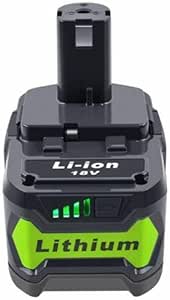
10.0Ah 18V Battery for Ryobi ONE+ Plus Lithium-ion P108 P105 P104 P102 P107 Tools $89.99 AUD · Sold out View current product details
-
10.0AH For Ryobi One+ Plus P108 Lithium Battery RB18L50 P104 $89.98 AUD View current product details
-
18V 6AH Ryobi One+ Plus Compatible Battery P108 RB18L50 P104 P780 RB18L40 $68.98 AUD View current product details
Check the product page for current specifications, compatibility and availability.